
Vihorlat
The Carpathian beech forests form a chain of smaller areas of old-growth forest. They contain a globally significant beech gene pool.
The area is a large complex of old-growth beech forests that stretches north of the lake Morské oko [Eye of the Sea]. It extends over the main ridge of the Vihorlat Hills at elevations of 517 to 1,076 metres.
It begins at Mount Vihorlat and continues along the ridge towards Motrogon Hill and Sninský kameň [Snina Stone]. It continues eastward from Sninský kameň, where it splits into two branches.
Apart from the common beech, the Vihorlat forest is also home to a smaller population of silver fir, sycamore, and ash trees. The development cycle in this forest is 220–230 years, and some beech specimens are over 240 years old.
There is a signposted trail around Morské oko lake that can be easily walked in about an hour. At around the halfway mark, you’ll find the Morské oko cabin, where a snack bar is open during high season…
UNESCO Ancient and Primeval Beech Forests
Discover the untouched beauty of Vihorlat’s ancient beech forests, where nature has flourished for centuries.


Discover the Stories Behind the Heritage
Beyond every photograph lies a remarkable story. Explore the timeless beauty, history and cultural legacy of Slovakia's UNESCO World Heritage Sites through our exclusive photographic books.
A journey through heritage, captured in words and images.
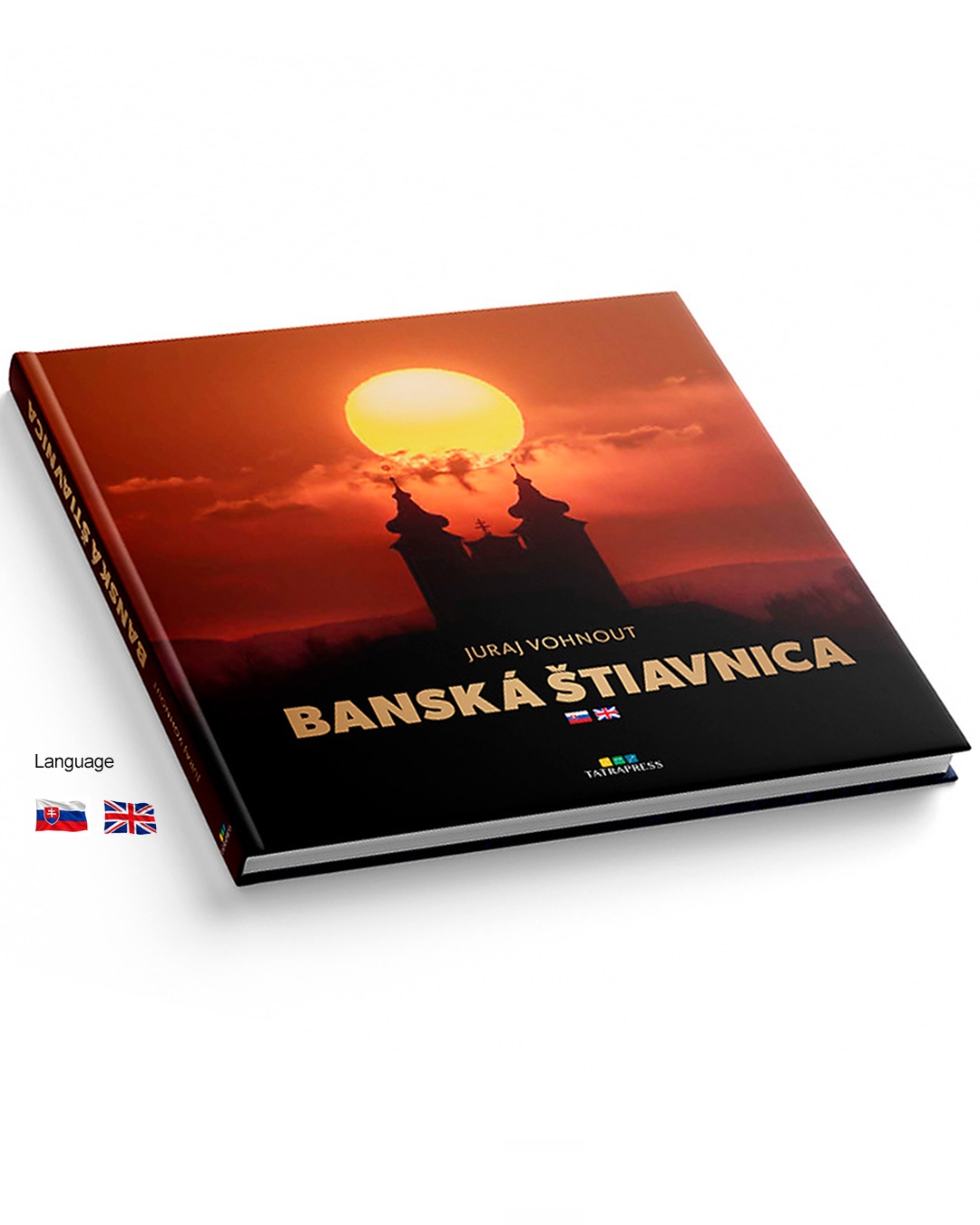
The lavishly illustrated publication *Banská Štiavnica* "speaks" of the poetic urban landscape of a charming mining town nestled within the volcanic caldera of a stratovolcano.The book *Banská Štiavnica* will guide you through its hidden corners and convey the *genius loci* of this UNESCO-listed gem.The book *Banská Štiavnica* is an ideal choice for readers who wish to discover the unique atmosphere and beauty of historic Banská Štiavnica through an engaging, visually rich publication.
Gift idea: Books about Slovakia make a valuable gift for family, friends, business partners, and international guests alike.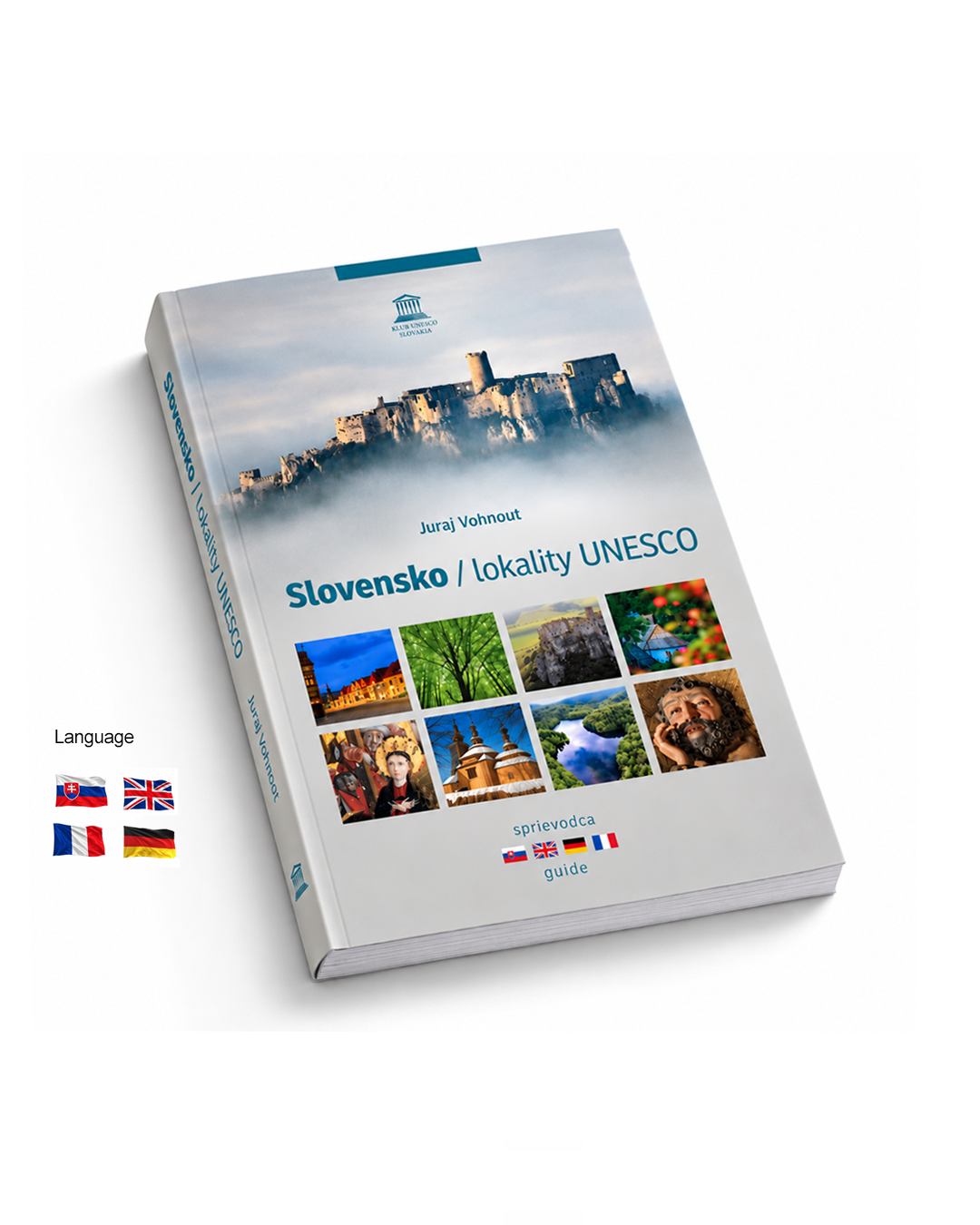
This book by photographer Juraj Vohnout offers a detailed look at unique sites inscribed on the UNESCO World Heritage List.

It includes descriptions of the sites, striking photographs, and all essential practical information—such as GPS coordinates, access details, and options for parking and accommodation.

The publication is designed for anyone wishing to discover Slovakia’s UNESCO-listed sites through a single volume. Thanks to its multilingual format, it also makes an excellent, high-quality gift for international visitors.

The text is presented in Slovak, accompanied by translations into English, German, and French.